Introduction
In aviation, every second counts. The industry is built on protocols and standards designed to ensure safety and efficiency in a highly unforgiving environment. However, there are pivotal moments during a flight, often lasting no more than 10 seconds, that can drastically alter the trajectory of an operation. This article examines scenarios in which those critical seconds can make a substantial difference to the safety, course, and outcome of an airline flight.
1. Go-Around Decision
During the landing phase, pilots must constantly assess the approach conditions. If they determine that landing is not safe—due to poor visibility, another aircraft on the runway, or a malfunction—they have mere seconds to decide to execute a go-around. This difficult decision requires instant communication with air traffic control and the necessary maneuvering to safely ascend and circle back for another approach.
2. Engine Failure Response
An engine failure can occur unexpectedly, potentially at any phase of flight. Pilots are trained to respond immediately, typically within 10 seconds of the failure. They need to determine the nature of the failure, communicate with crew, maintain aircraft control, and follow emergency protocols. How they manage these actions can influence the safety of everyone on board.
3. Cabin Pressure Decompression
In the event of a rapid decompression, flight crews must react swiftly. The first 10 seconds are critical for donning oxygen masks and initiating emergency procedures. Passengers must be informed about safety protocols, and quick decision-making by the crew can prevent panic and ensure that everyone is equipped to manage the situation.
4. Weather Avoidance
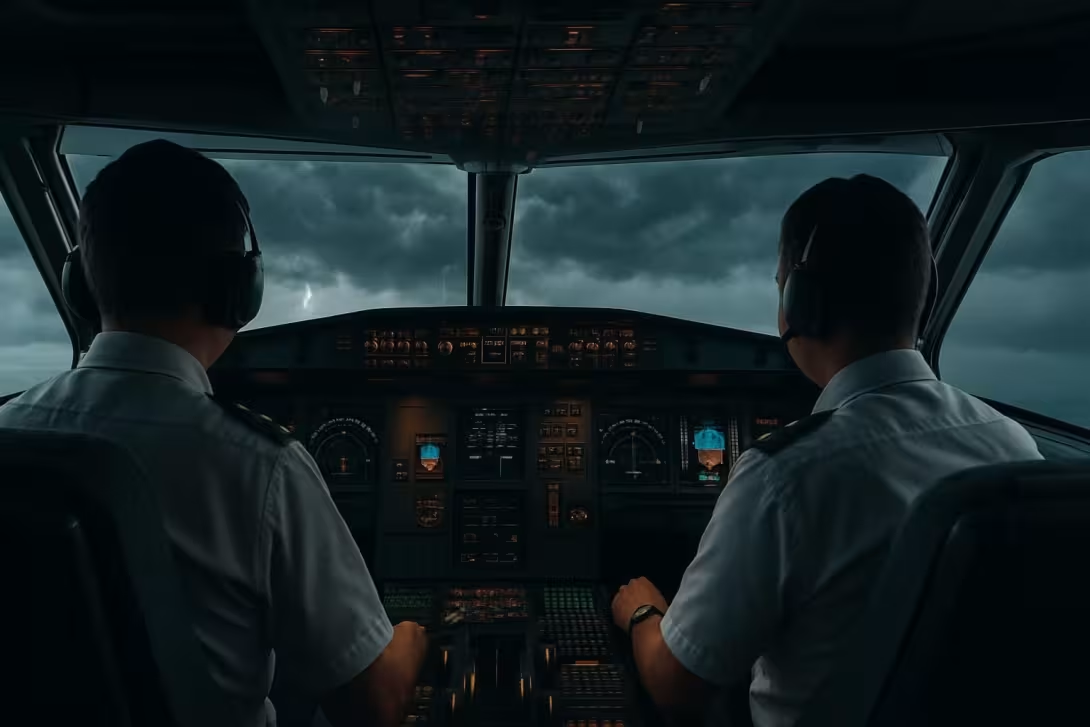
Severe weather conditions, like thunderstorms or turbulence, can develop rapidly. Flight crews monitor weather data closely and have limited time to make strategic decisions. Whether to alter flight paths, change altitude, or communicate with air traffic control about rerouting requires swift evaluation of the safest options within seconds.
5. Fuel Emergency Management
In instances where fuel levels become critically low, pilots must act quickly to communicate their situation to air traffic control and prioritize a safe landing. This often requires making tactical decisions about which nearby airport to divert to; timing can mean the difference between a manageable emergency landing and a more severe situation.
6. Passenger and Crew Alerts
In cases of unruly passengers or potential security threats, crew members must assess the situation rapidly. The first few seconds are crucial for determining the appropriate response, whether to engage security personnel or manage the situation within the cabin. Quick, decisive action can help prevent escalation and protect the safety of all aboard.
7. Communication with Ground Control
Effective communication between flight crews and air traffic controllers can be crucial, particularly during emergencies. Pilots often have only moments to convey vital information, seek assistance, or request immediate landing clearance. Clarity and conciseness are key to ensuring the best possible outcome during critical moments.
8. Unexpected Turbulence Interaction
Turbulence can arise suddenly and may demand immediate attention from pilots. Quick reactions influence how the aircraft is handled, whether to adjust altitude or slow down. Early recognition and response to turbulence can mitigate strain on the aircraft and enhance passenger comfort and safety.
9. Evacuation Procedures
If an evacuation becomes necessary, flight attendants have mere seconds to initiate procedures. They must assess the situation, communicate effectively, and execute the evacuation plan. Training and readiness to respond within those seconds can save lives in a crisis.
10. Decision to Delay or Cancel a Flight
Airline operations involve evaluating all variables, including weather, crew readiness, and technical issues. The decision to delay or cancel a flight can often happen within ten seconds, based on the latest available information. This decision impacts not only the aircraft in question but also the schedules of all passengers and crews involved.
Conclusion
The aviation industry is characterized by the necessity for rapid response and decisive action, particularly during critical moments. Understanding the implications of decisions made in mere seconds underlines the importance of rigorous training and the robustness of safety protocols. The 10 seconds that can change an airline flight underscore the challenges and responsibilities borne by aviation professionals as they prioritize safety in every operation.